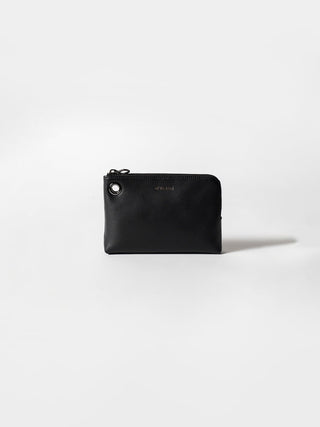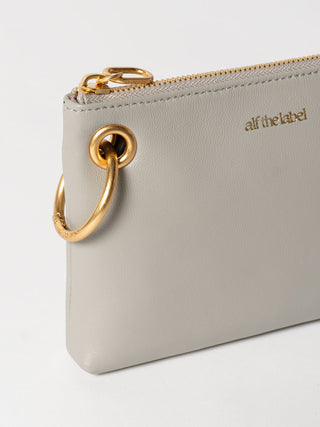

Nappa leather has a reputation. The assumption most people make about Nappa leather is that it's soft and delicate but it's only half true.
Nappa isn't a type of hide. It's a finishing process: full-grain or top-grain leather, tanned and finished to produce that immediate, buttery-soft hand feel rather than the years-of-wear break-in some leathers demand. What determines whether that softness lasts has less to do with the feel at purchase and more to do with where in the hide it came from, and how it was tanned.
Full-grain Nappa is soft because it's been carefully finished, not because it's been thinned. The grain stays intact. The strength of the hide stays with it. Softness and durability aren't in tension here, they come from the same process. Where the durability question genuinely applies is in lower-grade Nappa made from split or corrected-grain leather, treated to mimic the same softness.
Good Nappa develops a patina: a deepening of tone, a sheen that builds from regular handling. Marks soften into the leather rather than sitting on top of it as damage. That's the behaviour of leather that's been properly tanned, not leather that's been coated to fake the finish.
None of this asks much of you though. Just keep it out of prolonged direct sun, condition it occasionally and if it gets wet, blot rather than rub, and let it dry away from heat. A bag that gets this basic care will outlast one that doesn't, by years, not months.
We use Nappa leather across several pieces in the Alf range: the Dumpling Handbag, the Rosa Crossbody Bag, the Anita Carryall Pouch, the Nic Wallet, and the full pouch set, Grande, Medium, Petite and Packing. Each one is built on the same premise as the leather itself: soft on the day you buy it, and just as good three years in.
The honest answer to whether Nappa leather is durable is that it depends entirely on the grade and the process behind it. Full-grain Nappa, properly finished and properly cared for, is leather that gets better with age. The version that only mimics the feel won't.
That's the difference worth knowing before you buy, not after.